Eng
Eng
 ไทย
ไทย

THAMMASAT LEADS MULTI-UNIVERSITY PARTNERSHIP ON TRANSDISCIPLINARY HIGHER EDUCATION
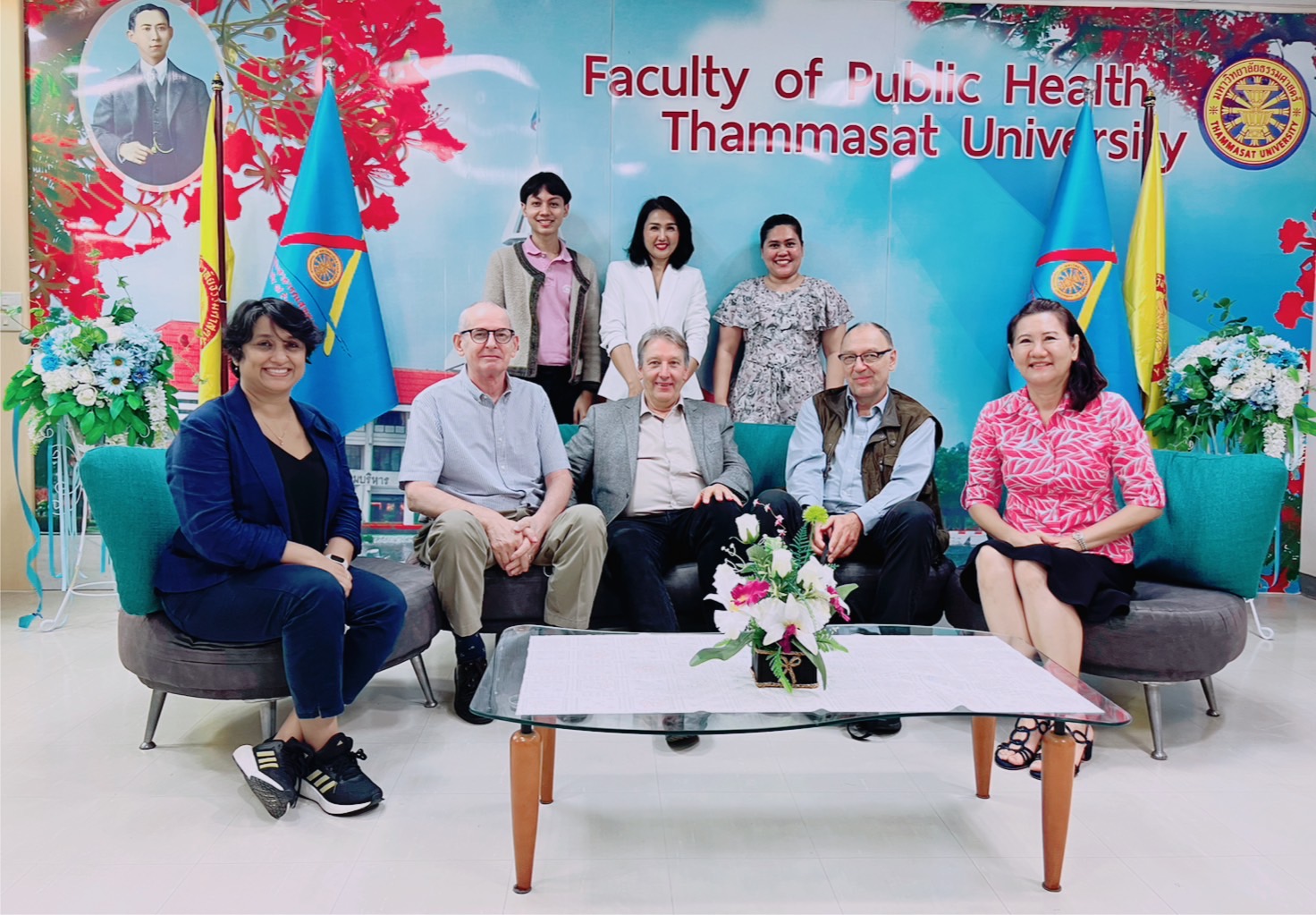
Brussels, Belgium 1 January 2023, Thammasat University, Faculty of Public Health’s proposal for the Transdisciplinary Higher Education for Global Wellbeing (THE-GLOW) project application was approved for funding by the European Union’s Erasmus+ Programme for Capacity Building in Higher Education.
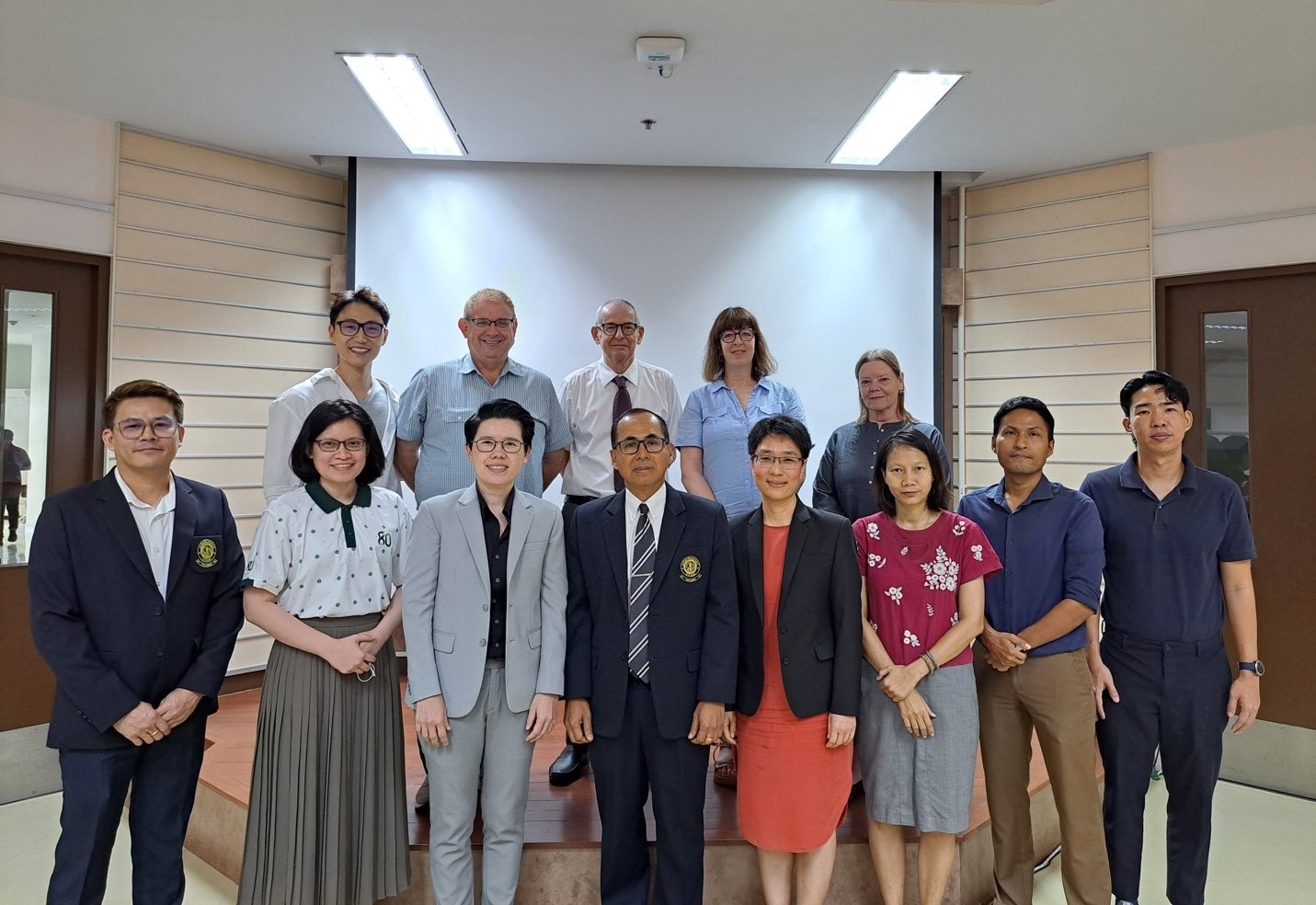
Bringing together academia from the Asian Institute of Technology’s School of Environment, Resources and Development; Heidelberg University’s Institute of Global Health; Kasetsart University’s Faculty of Agriculture, and Maastricht University’s Faculty of Health, Medicine and Lifesciences; under the leadership of Thammasat University’s Faculty of Public Health, to implement the project.

THE-GLOW project aims to strengthen capacities of higher education institutions in Thailand and Europe, and eventually in countries neighbouring Thailand, to develop and implement graduate curricula that train participants in the transdisciplinary approaches and skills required for the future workforce to address complex global problems.
The project adopts the nexus between water security, food security, and energy security; a concept that emerged as a response to the growing recognition that these three critical sectors are deeply interconnected and mutually dependent. There is a need for a more integrated and holistic approach to managing challenges in these three sectors, which are essential for human well-being and sustainable development. Although the nexus concept is gaining currency, there is a need to understand and address the linkages, its impact on the ecosystem, and its relevance to climate change adaptation and equitable human wellbeing.
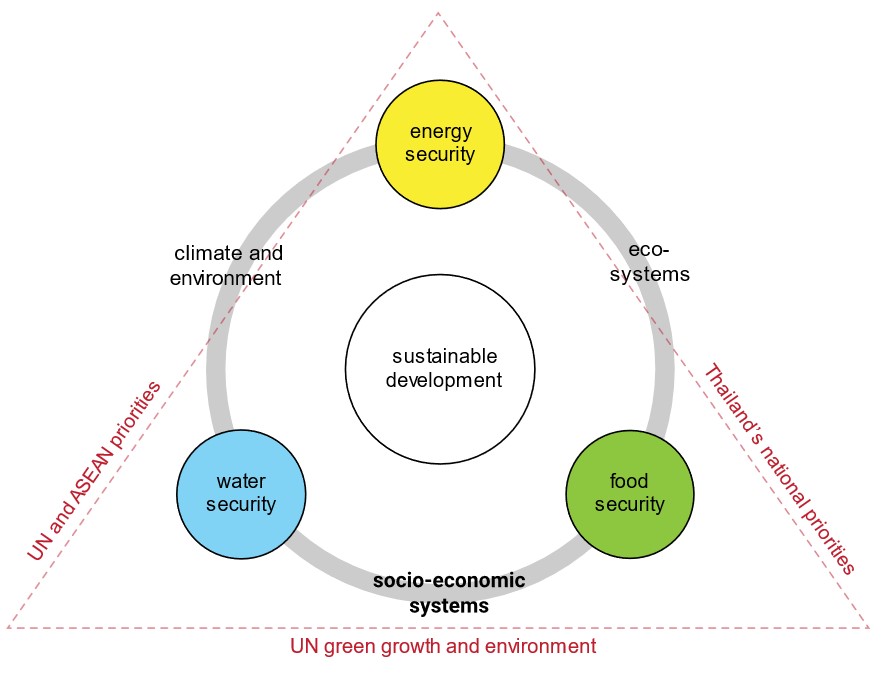
Informed by global, regional and national priorities, THE GLOW project aims to build capacity in partnering institutes and its academic staff in designing and delivering transdisciplinary curricula to equip graduates with the competencies required to practice transdisciplinary problem solving applied to the water-energy and food nexus.
In summary, institutional and individual capacity building, will facilitate the design and development
of transdisciplinary course curricula, which in turn equips graduates with transdisciplinary problem solving skills,
while a community of practice will sustain and expand project gains. This is expected to attract prospect graduate
students, create joint student cohorts across partnering programs, and bring continuing education opportunities
for professionals. Graduates are then better equipped to deliver the need for responsive practice,
which is in demand among employers.
Follow us
Webpage:
https://theglow-project.org/
Follow us
FPH Thammasat International
🌏
https://fph.tu.ac.th/en